
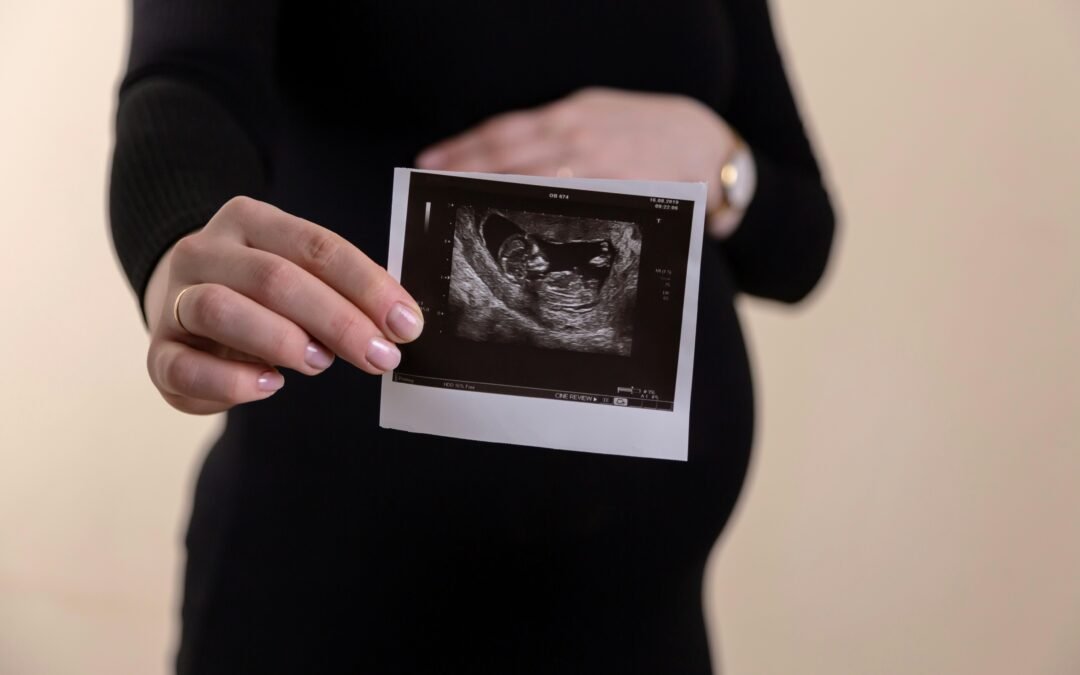
The Upfert Medical Team wants to help you understand infertility. This article explains what infertility is, why it happens, and what doctors can do to help.
What is Infertility?
Infertility means that a couple has been trying to have a baby for a certain amount of time without success. For most couples, this means trying for one year. If the woman is 35 years old or older, doctors usually recommend seeking help after six months. In India, like in many other parts of the world, infertility affects many couples. It’s a common medical condition, not a personal failing.
Doctors often classify infertility into two main types:
- Primary Infertility: This is when a couple has never been able to get pregnant before.
- Secondary Infertility: This is when a couple has had at least one successful pregnancy in the past but is now having trouble getting pregnant again.
It’s important to remember that infertility can be caused by problems in the man, the woman, or both. Sometimes, doctors cannot find a clear reason, and this is called unexplained infertility.
For those seeking to understand the complexities of infertility, a related article that provides valuable insights is available at this link. This article delves into various factors contributing to infertility, offering a comprehensive overview that can help individuals and couples navigate their journey toward conception.
Causes of Infertility in Women
Many different things can cause infertility in women. Doctors will look at several areas to understand why a woman might be having trouble getting pregnant.
Problems with Ovulation
Ovulation is when an egg is released from the ovary. If a woman isn’t ovulating regularly or at all, she won’t be able to get pregnant.
- Polycystic Ovary Syndrome (PCOS): This is a very common condition in India and worldwide. With PCOS, a woman’s body makes too many male hormones, which can stop eggs from growing and being released. Women with PCOS might have irregular periods, excess hair growth, and acne. Doctors usually diagnose PCOS based on symptoms, blood tests, and an ultrasound of the ovaries.
- Hypothalamic Dysfunction: The hypothalamus is a part of the brain that tells the ovaries to release eggs. If this part isn’t working right, it can disrupt ovulation. This can happen due to stress, very low body weight, or intense exercise.
- Premature Ovarian Insufficiency (POI): This means that a woman’s ovaries stop working normally before she is 40 years old. It’s like early menopause. Her ovaries don’t release eggs regularly, and she has lower levels of female hormones.
- Too Much Prolactin: Prolactin is a hormone that helps with breast milk production. If a woman has too much prolactin when she’s not pregnant, it can interfere with ovulation.
Problems with Fallopian Tubes
Fallopian tubes are like narrow tunnels that carry the egg from the ovary to the womb (uterus). If these tubes are blocked or damaged, the egg cannot meet the sperm, or the fertilized egg cannot reach the womb.
- Pelvic Inflammatory Disease (PID): This is an infection of the female reproductive organs. It’s often caused by sexually transmitted infections (STIs). PID can cause scarring and blockages in the fallopian tubes. In India, awareness and timely treatment of STIs are crucial to prevent PID.
- Endometriosis: This is a condition where tissue similar to the lining of the womb grows outside the womb, often on the ovaries and fallopian tubes. This can cause pain and block the tubes or interfere with egg quality.
- Previous Surgery: Surgery in the belly or pelvis, especially on the fallopian tubes, can sometimes lead to scarring and blockages.
- Ectopic Pregnancy: If a woman has had an ectopic pregnancy (where a fertilized egg implants outside the womb, often in the fallopian tube), it can damage the tube.
Problems with the Uterus (Womb) or Cervix
The uterus is where the baby grows. The cervix is the opening of the uterus. Problems in these areas can make it hard for a pregnancy to start or continue.
- Uterine Fibroids: These are non-cancerous growths in the wall of the uterus. Depending on their size and location, they can block fallopian tubes or interfere with the implantation of a fertilized egg. Fibroids are quite common in Indian women, and doctors will assess their impact on fertility.
- Uterine Anomalies: Some women are born with an unusually shaped uterus. This can sometimes make it harder to get pregnant or carry a pregnancy to term.
- Cervical Issues: Sometimes, the cervix doesn’t produce enough healthy mucus to help sperm travel to the uterus. Or, the cervix might have growths that block sperm.
- Asherman’s Syndrome: This is a condition where scar tissue forms inside the uterus, often after a dilation and curettage (D&C) procedure or other uterine surgery. This scarring can make it difficult for an embryo to implant.
Other Factors Affecting Female Fertility
- Age: A woman’s fertility naturally declines with age, especially after 35. The number and quality of her eggs decrease.
- Lifestyle Choices: Smoking, excessive alcohol use, and illegal drug use can harm fertility. Being significantly overweight or underweight can also affect ovulation and hormone balance.
- Medical Conditions: Certain chronic conditions, like diabetes, thyroid problems, or autoimmune diseases, can impact fertility.
- Environmental Toxins: Exposure to certain chemicals or pollutants can sometimes affect reproductive health.
Causes of Infertility in Men
Infertility is not just a woman’s issue; men contribute to about 30-40% of infertility cases. Doctors will also check the male partner thoroughly.
Problems with Sperm Production or Function
The most common cause of male infertility is problems with sperm.
- Low Sperm Count (Oligospermia): This means the man produces fewer sperm than normal.
- No Sperm (Azoospermia): This means there are no sperm in the ejaculate. This can be due to a blockage or a problem with sperm production.
- Poor Sperm Movement (Asthenozoospermia): The sperm may be unable to swim effectively to reach the egg.
- Abnormal Sperm Shape (Teratozoospermia): Sperm with unusual shapes may have trouble fertilizing an egg.
- Varicocele: This is a swelling of the veins that drain the testicle. It’s like varicose veins in the legs. A varicocele can raise the temperature in the testicle, which can harm sperm production and quality. This is a common and often treatable cause of male infertility in India.
Problems with Sperm Delivery
Even if sperm are produced normally, they need to be able to get out of the body during ejaculation.
- Blockages: Blockages in the tubes that carry sperm (like the epididymis or vas deferens) can prevent sperm from being ejaculated. These blockages can be caused by infections, injuries, or previous surgeries.
- Ejaculation Problems: Some men have issues with ejaculation, such as retrograde ejaculation (sperm goes backward into the bladder) or not being able to ejaculate at all.
- Cystic Fibrosis: Some men with cystic fibrosis are born with missing or blocked vas deferens, the tubes that carry sperm.
- Undescended Testicles: If one or both testicles didn’t drop into the scrotum before birth, it can affect sperm production later in life.
Other Factors Affecting Male Fertility
- Hormone Imbalances: Problems with hormones produced by the brain (like FSH and LH) or by the testicles (like testosterone) can affect sperm production.
- Chromosomal Defects: Genetic conditions, such as Klinefelter’s syndrome, can affect male fertility.
- Infections: Infections in the testicles or other reproductive organs can damage sperm or block sperm passages.
- Medications: Some medications, including certain cancer treatments, can affect sperm production.
- Lifestyle Choices: Smoking, excessive alcohol, illegal drug use, and being overweight can negatively impact sperm quality. Exposure to heat (like prolonged hot baths or saunas) can also temporarily affect sperm.
- Environmental Toxins: Exposure to certain industrial chemicals, heavy metals, or pesticides can sometimes harm sperm production.
Diagnosis of Infertility in India
When a couple in India seeks help for infertility, doctors will typically perform a series of tests to understand the cause. The diagnostic process aims to be thorough yet efficient.
For Women
- Medical History and Physical Exam: The doctor will ask about menstrual cycles, past pregnancies, surgeries, medications, and general health. A physical exam, including a pelvic exam, will also be done.
- Blood Tests:
- Hormone Levels: Tests for hormones like FSH, LH, estrogen, prolactin, and thyroid hormones are common. Anti-Müllerian Hormone (AMH) is often checked to estimate a woman’s ovarian reserve (how many eggs she has left).
- Infections: Screening for certain sexually transmitted infections might be done.
- Ultrasound: A transvaginal ultrasound uses sound waves to create pictures of the uterus and ovaries. It can check for fibroids, cysts, endometriosis, and assess ovarian health.
- Hysterosalpingogram (HSG): This is an X-ray procedure where a special dye is put into the uterus and fallopian tubes. It helps doctors see if the fallopian tubes are open and if the uterus has a normal shape. This is a standard test performed in fertility clinics across India.
- Laparoscopy: This is a surgical procedure where a thin, lighted tube with a camera is inserted into the belly through a small cut. Doctors can then directly see the reproductive organs, check for endometriosis, scar tissue, or blockages in the fallopian tubes. This is usually done if other tests suggest a problem that needs direct viewing or repair.
- Hysteroscopy: A thin, lighted telescope is inserted through the cervix into the uterus to look for polyps, fibroids, or scar tissue inside the womb.
For Men
- Medical History and Physical Exam: The doctor will ask about past illnesses, surgeries, medications, and lifestyle. A physical exam will check the testicles and penis.
- Semen Analysis: This is the most important test for men. A sample of semen is collected and examined under a microscope to check the number, movement (motility), and shape (morphology) of the sperm. In India, many diagnostic labs offer this test.
- Cost: A basic semen analysis in India can range from ₹500 to ₹1,500.
- Blood Tests:
- Hormone Levels: Tests for testosterone, FSH, and LH can help identify hormone imbalances.
- Genetic Tests: If severe sperm problems are found, genetic tests might be recommended to check for chromosomal problems or specific gene mutations.
- Scrotal Ultrasound: This uses sound waves to check the testicles and nearby structures for problems like varicocele or blockages.
- Post-Ejaculation Urinalysis: If retrograde ejaculation is suspected, urine collected after ejaculation is checked for sperm.
Infertility can be a challenging journey for many couples, and understanding the various factors that contribute to it is essential. For those seeking more information, a related article on this topic can be found at Upfert, which explores the latest advancements in fertility treatments and offers insights into potential causes of infertility. By educating ourselves about these issues, we can better navigate the emotional and physical aspects of this experience.
Infertility Treatments in India
Once the cause of infertility is identified, doctors will discuss various treatment options. The choice of treatment depends on the specific cause, the couple’s age, and their preferences. India has a robust and rapidly advancing fertility treatment sector.
Lifestyle Changes and Medical Management
Doctors usually recommend starting with less invasive treatments.
- Lifestyle Modifications: For both men and women, improving overall health through a balanced diet, regular exercise, maintaining a healthy weight, avoiding smoking and excessive alcohol, and managing stress can significantly improve fertility outcomes.
- Medications for Ovulation Problems:
- Clomiphene Citrate (Clomid): This oral medication stimulates the ovaries to release eggs. It’s often the first-line treatment for women with ovulation issues like PCOS.
- Letrozole (Femara): Another oral medication that can help stimulate ovulation, particularly effective in women with PCOS.
- Gonadotropins: These are injectable hormones (FSH, LH) that directly stimulate the ovaries to produce multiple eggs. They are stronger than oral medications and require careful monitoring.
- Medications for Male Infertility: For some men with hormone imbalances, medications can help improve sperm production. Antibiotics can treat reproductive tract infections that affect fertility.
Assisted Reproductive Technologies (ART)
ART involves handling eggs and sperm outside the body. These treatments are widely available in India.
- Intrauterine Insemination (IUI): In IUI, specially prepared sperm are directly placed into the woman’s uterus around the time of ovulation. It’s less invasive than IVF and often tried before IVF, especially for mild male factor infertility, unexplained infertility, or cervical mucus problems.
- Process: The woman might take ovulation-stimulating medications. On the day of the procedure, the male partner provides a semen sample, which is “washed” to concentrate healthy, motile sperm. This prepared sperm is then inserted into the uterus using a thin, flexible tube.
- Cost: The cost of one cycle of IUI in India can range from ₹8,000 to ₹20,000, varying by clinic and city.
- In Vitro Fertilization (IVF): IVF is a more advanced ART treatment where eggs are retrieved from the woman’s ovaries and fertilized with sperm in a lab dish. The resulting embryos are then transferred into the woman’s uterus. IVF is a common and highly successful treatment in India.
- Process:
- Ovarian Stimulation: The woman takes injectable hormones to stimulate her ovaries to produce multiple eggs.
- Egg Retrieval: Once the eggs are mature, they are retrieved from the ovaries using a thin needle guided by ultrasound.
- Fertilization: The retrieved eggs are combined with sperm in a lab dish.
- Embryo Culture: The fertilized eggs (embryos) are grown in the lab for a few days.
- Embryo Transfer: One or more healthy embryos are transferred into the woman’s uterus.
- Cost: The cost of one cycle of IVF in India can range from ₹80,000 to ₹250,000 or more, depending on the clinic, city, and specific services (e.g., ICSI, freezing).
- Intracytoplasmic Sperm Injection (ICSI): ICSI is often used with IVF, especially for severe male factor infertility or if previous IVF attempts had poor fertilization. A single sperm is injected directly into each egg to help with fertilization. It significantly improves fertilization rates for men with low sperm count or poor sperm quality.
- Other Advanced Techniques (often used with IVF):
- Preimplantation Genetic Testing (PGT): This involves testing embryos for genetic conditions before they are transferred to the uterus. It helps select healthy embryos and reduces the risk of genetic disorders. It’s regulated in India, with clear guidelines for its use.
- Donor Eggs/Sperm: If a couple has severe issues with their own eggs or sperm, they may choose to use donor eggs or sperm. India has clear regulations regarding donor gametes, ensuring anonymity and proper screening.
- Surrogacy: For women who cannot carry a pregnancy due to medical reasons, surrogacy (where another woman carries the pregnancy) is an option, governed by specific laws and ethical guidelines in India.
Surgical Treatments
- For Women:
- Laparoscopy/Hysteroscopy: These procedures can be used not just for diagnosis but also for treatment. For example, endometriosis can be removed, fibroids can be excised (myomectomy), or blocked fallopian tubes can sometimes be opened.
- For Men:
- Varicocelectomy: Surgery to repair a varicocele can sometimes improve sperm quality and quantity.
- Sperm Retrieval: For men with blockages or no sperm in their ejaculate, sperm can sometimes be surgically retrieved directly from the testicles (TESE/TESSA) or epididymis (PESA/MESA) for use in IVF/ICSI.
Navigating Infertility in India: What to Do Next
In India, there are many excellent fertility clinics and specialists. It’s important to choose a clinic that is reputable, follows ethical guidelines, and has a good success rate.
Finding the Right Doctor and Clinic
- Seek Referrals: Ask your general practitioner or gynecologist for recommendations.
- Research Clinics: Look for clinics with experienced reproductive endocrinologists and embryologists. Check their success rates (which should be transparent and verifiable).
- Understand Costs: Discuss the full cost breakdown of diagnosis and treatment. In India, costs can vary significantly between cities and clinics. Most treatments are not covered by standard health insurance, though some newer plans are starting to include infertility treatments.
- Check Accreditation: While not uniformly mandatory for all clinics, looking for clinics associated with reputable medical bodies can be reassuring. The Indian Council of Medical Research (ICMR) has guidelines for ART clinics in India.
Emotional Support
Infertility can be a very challenging journey emotionally.
- Seek Support: Talk to your partner, family, and trusted friends.
- Join Support Groups: Many online and in-person support groups exist in India where you can connect with others going through similar experiences.
- Consider Counseling: A counselor or therapist specializing in infertility can provide valuable support and coping strategies.
Important Considerations
- Be Patient: Infertility treatment often takes time and multiple cycles.
- Ask Questions: Don’t hesitate to ask your doctor any questions you have about your diagnosis, treatment plan, or prognosis.
- Stay Informed: Understanding your condition and treatment options empowers you to make informed decisions.
- Follow Guidelines: Adhere to all medical advice and instructions given by your healthcare team.
Infertility is a medical condition, and with advances in diagnosis and treatment, many couples in India and worldwide are able to achieve their dream of having a family. The Upfert Medical Team hopes this information helps you on your journey.
[[Internal Link: Common Misconceptions About Infertility]]
[[Internal Link: Preparing for Your First Fertility Consultation]]
FAQs
What is infertility?
Infertility is defined as the inability to conceive after one year of unprotected intercourse (or six months if the woman is over 35) or the inability to carry a pregnancy to live birth.
What are the causes of infertility?
Infertility can be caused by a variety of factors, including ovulation disorders, uterine or cervical abnormalities, fallopian tube damage or blockage, endometriosis, and male factors such as low sperm count or abnormal sperm function.
How common is infertility?
Infertility affects about 10-15% of couples worldwide. It is a common issue that can affect both men and women.
What are the treatment options for infertility?
Treatment options for infertility include fertility drugs to stimulate ovulation, surgery to correct anatomical issues, intrauterine insemination (IUI), in vitro fertilization (IVF), and assisted reproductive technology (ART).
What are some risk factors for infertility?
Risk factors for infertility include age, smoking, excessive alcohol consumption, obesity, sexually transmitted infections, and exposure to certain environmental toxins. Additionally, certain medical conditions such as diabetes and cancer can also increase the risk of infertility.